
Minnesota Pulls Plug on Crypto ATMs After Consumer Losses Top $1 Million
A new Minnesota law halts crypto ATM operations state-wide following reports of fraud-fueled losses exceeding $1 million.
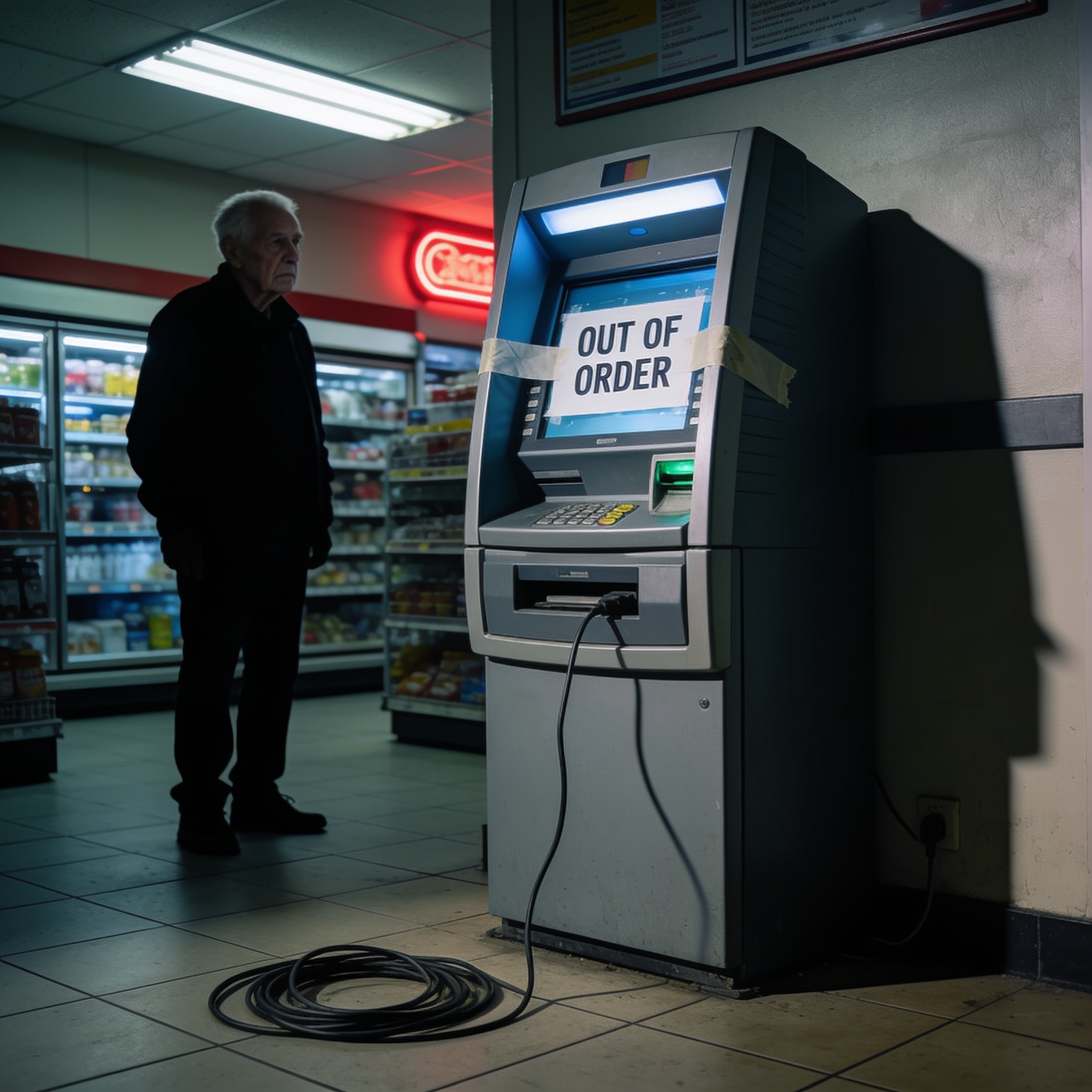
Minnesota has become the latest state to clamp down on cryptocurrency automated teller machines, enacting a ban that takes immediate effect after regulators documented more than $1 million in consumer losses tied to these kiosks. The move marks a significant escalation in the fight against crypto scams that have targeted vulnerable residents through high-pressure tactics at retail locations.
How Scammers Exploited the Machines
Fraudsters often direct victims to deposit cash into a crypto ATM under the guise of paying off fake debts, securing a prize, or avoiding arrest. Once the funds are converted to digital currency, they are nearly impossible to recover. Investigators found that typical losses ranged from a few hundred to several thousand dollars per victim, with many targeting elderly individuals who are less familiar with cryptocurrency technology.
- Impersonation scams: Callers posing as government or utility officials demand immediate payment via crypto ATMs.
- Investment fraud: Fake “guaranteed returns” schemes push victims to deposit cash into these machines.
- Romance scams: Fraudsters build emotional relationships before convincing targets to send crypto through ATMs.
Consumer advocates have long warned that crypto ATMs lack the basic protections found in traditional banking, such as the ability to reverse transactions. “When cash goes into one of these machines, it's essentially gone forever,” says a spokesperson for the Minnesota Department of Commerce. The new regulation effectively shuts down all crypto ATM operations in the state, including both licensed and unlicensed kiosks.
While the ban is a clear win for consumer protection, crypto industry groups argue it could stifle legitimate use cases such as remittances and unbanked access. However, lawmakers emphasized that the overwhelming evidence of harm left them little choice. Other states, including Michigan and New York, are reportedly watching Minnesota’s approach closely as they consider similar measures.